The Return of the Ospreys: A Wildlife Comeback Worth Celebrating 

Mar 17, 2026 • Joel Carino

As winter fades and the days grow longer, nature begins to stir once more. Across the UK, one of the most exciting signs of spring isn’t just the blooming of flowers or the gentle kiss of warm weather, it’s the return of the ospreys. 

Each year, these magnificent birds of prey make an extraordinary journey back to British shores, signalling the start of a new nesting season. For bird lovers, conservationists, and visitors alike, their arrival is a moment of real anticipation.  

After all, the return of the osprey isn’t just a seasonal event, it’s one of the UK’s greatest wildlife comeback stories. And as you read through, you’ll discover why. 

Meet the Osprey 

  • Osprey
  • Osprey

The osprey is a striking bird of prey, often recognised by its white underparts, dark eye stripe, and impressive wingspan of up to 1.7 metres. But what truly sets the osprey apart is its remarkable hunting ability. 

Sometimes called the “fish hawk”, ospreys are uniquely adapted to catch fish. They hover above the water before plunging feet-first to snatch their prey with powerful talons. It’s an incredible sight if you’re lucky enough to witness it. 

Elegantpowerful, and highly specialised, ospreys are perfectly suited to life near lakes, rivers, and coastlines. And every spring, they return to these familiar places to begin the next chapter of their journey. 

The Incredible Migration Journey 

What makes the osprey’s return so special is the sheer scale of their migration. These birds travel thousands of miles every year, journeying from their wintering grounds in Africa back to the UK. 

Even more astonishing is their accuracy. Many ospreys return to the very same nesting sites year after year, navigating vast distances with incredible precision.  

It’s a journey filled with challenges. From unpredictable weather to deadly predators, even exhaustion can put a premature end to their journey, but for 30 years, they complete the cycle time and time again. 

By early spring, the first arrivals begin to appear, reclaiming nests and preparing to breed. Soon after, eggs are laid, chicks hatch, and the cycle continues, before the next generation makes the same journey south. 

  • Osprey
  • Osprey

Rutland Water: A 30-Year Conservation Success 

The return of ospreys to England is nothing short of remarkable.  

Once a common sight, ospreys were driven to extinction as a breeding bird in England by 1847 due to persecution and habitat loss. For decades, they were absent from English skies. 

Although small populations began to recover in Scotland in the mid-20th century, it was once predicted that it could take over 100 years before ospreys would breed in England again. 

Thanks to dedicated conservation efforts, that timeline was dramatically shortened. 

At Rutland Water, the Leicestershire & Rutland Wildlife Trust has played a vital role in bringing ospreys back from the brink. Over the past 30 years, their work has helped establish a thriving population, turning the area into one of the best places in England to see these birds in the wild. 

Each osprey at Rutland is carefully monitored using identification rings, allowing conservationists to track individual birds and better understand their movements and behaviours. While the birds remain wild, this work provides invaluable insight into their lives, and helps ensure their continued success. 

Today, the return of the ospreys to Rutland Water stands as a powerful example of what conservation can achieve. 

  • Osprey
  • Bird, possibly an osprey, swimming in water with a blurred background

Why People Love Osprey Season 

Osprey season is truly special. It’s not just about seeing a rare bird, but witnessing a story unfold.  

The birds’ arrival. The reclaiming of nests. The reuniting of breeding pairs. The laying and hatching of eggs. Each of these moments offers a glimpse into the osprey’s life cycle. 

Ospreys also bring people together. Birdwatchers, photographers, families, and nature lovers all gather to share in the experience. It’s a once-a-year chance to connect with nature in a meaningful way. 

And perhaps most importantly, it’s a reminder of hope. A proof that with the right care and effort, species can recover. 

How You Can Help Protect Ospreys 

The osprey’s return is a conservation success, but their future still depends on continued support. The good news is that there are simple ways we can all help protect these incredible birds. 

1. Support conservation organisations 

Groups like the Leicestershire & Rutland Wildlife Trust play a crucial role in protecting habitats, monitoring wildlife, and ensuring species like the osprey continue to thrive. Supporting their work, whether through donations, memberships, or visits, helps make a real difference. 

2. Visit responsibly 

If you’re planning to see ospreys in the wild, it’s important to do so respectfully. Keep a safe distance from nests, follow local guidance, and avoid disturbing the birds. Responsible wildlife watching helps protect both the animals and their habitats. 

3. Raise awareness 

Sharing the story of the osprey helps others understand just how important conservation is. Tell the story to your friends, share posts online, or introduce someone to birdwatching, awareness is a powerful tool for change. 

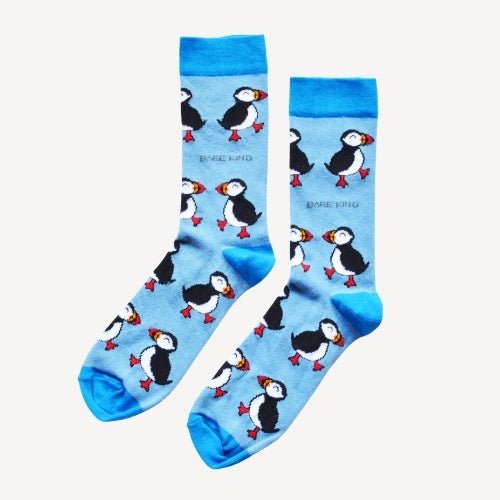
And if you’re looking for a small, everyday way to show your support, you can even wear it

Bare Kind's Osprey Bamboo Socks celebrate this incredible bird while helping protect wildlife. Like all Bare Kind socks, they’re made from soft, breathable bamboo fibre and designed for all-day comfort. Even better, 10% of profits are donated to the Leicestershire & Rutland Wildlife Trust to helps support osprey conservation. 
Back to blog

Leave a comment

Please note, comments need to be approved before they are published.