From Churchill to Hedgehogs? Why UK Animals Could Soon Be on Your Banknotes 

Jun 9, 2026 • Grace Micere

Imagine reaching into your wallet and pulling out a £10 note with a puffin staring back at you. 

Or paying for your morning coffee with a hedgehog. 

Or finding a bumblebee on a £20 note. 

It sounds a little wild, but that's exactly what could happen. 

The Bank of England has launched a public consultation to decide which UK animals should feature on the next generation of British banknotes. If approved, these animals would replace the historical figures currently found on our notes, including Winston Churchill, Jane Austen, J.M.W. Turner and Alan Turing. 

And honestly? We think that's pretty exciting. 

After all, British wildlife deserves its moment in the spotlight. 

Wait... Why Are They Changing the Banknotes? 

The short answer is security. 

Banknotes are redesigned periodically to include new anti-counterfeiting technology and accessibility improvements. Since the Bank was already planning a redesign, it asked the public what theme they would like to see on future notes. 

The winning theme? 

Nature and wildlife. 

More than just a design choice, it's a chance to celebrate some of the incredible species that share our islands. 

And if we're being honest, animals are much better at posing for portraits than politicians. 

The Animal Shortlist 

The Bank of England worked with wildlife experts to create a shortlist of 18 native species. 

Mammals 

  • European Hedgehog 
  • Red Fox 
  • Grey Seal 
  • Pine Marten 
  • Brown Hare 
  • Bottlenose Dolphin 

Birds 

  • Atlantic Puffin 
  • Barn Owl 
  • Kingfisher 
  • Eurasian Curlew 
  • Great Spotted Woodpecker 
  • White-Tailed Eagle 
  • Close-up of a hedgehog with a natural background
  • Close-up of a barn owl with a neutral background

Amphibians, Insects & Fish 

  • Buff-Tailed Bumblebee 
  • Marsh Fritillary Butterfly 
  • Emperor Dragonfly 
  • Common Frog 
  • Atlantic Salmon 
  • Basking Shark 

The public can vote for their favourites until July 3rd

  • Frog on a leaf in a natural setting
  • Bumblebee on a pink flower with a blurred natural background
  • Fish leaping out of turbulent water

Our Completely Unofficial Bare Kind Rankings 

We weren't asked to judge the competition. 

But that won't stop us. 

  • Hedgehog on a natural background

    🦔 European Hedgehog 

    A British icon. 

    Small. Spiky. Adorable. 

    Hedgehogs have sadly declined dramatically across the UK over recent decades, making them one of the most recognisable conservation success stories still waiting to happen. 

    Would they look fantastic on a fiver? 

    Absolutely. 

  • Puffin standing in grass with a blurred natural background

    🐧 Puffin 

    These colourful seabirds have become one of Britain's most beloved wildlife species, especially along coastal cliffs. 

    They'd certainly make a very photogenic banknote. 

  • Bumblebee on a purple flower

    🐝 Buff-Tailed Bumblebee 

    The hardest worker on the shortlist. 

    Pollinators help support ecosystems, food production and biodiversity across the country. 

    Plus, imagine the headlines: 

    "Inflation causes buzz around the new £20 note." 

    We'll see ourselves out. 

  • Seal swimming in clear blue water

    🦭 Grey Seal 

    Those giant puppy eyes. 

    Need we say more? 

  • Shark swimming underwater with open mouth

    🦈 Basking Shark 

    A shark on a banknote? 

    Now that's a conversation starter. 

    Despite being the second-largest fish in the world, basking sharks are gentle filter feeders and a wonderful reminder of the incredible wildlife found around Britain's coastline. 

Why This Actually Matters 

At first glance, changing pictures on banknotes might seem trivial. But symbols matter. 

Most people will never visit a conservation project or read scientific reports. Yet millions of people handle banknotes every single day. 

Imagine a child asking: 

"What's a curlew?" 

"Why is there a hedgehog on this note?" 

"Do puffins live in the UK?" 

Those simple questions can spark curiosity about the natural world. And curiosity is often where conservation begins. 

The more visible wildlife becomes in our everyday lives, the more likely we are to value and protect it. 

  • Fox in a grassy field with a blurred background
  • Brown Hare sitting in a grassy field with a blurred green background

If Bare Kind Could Pick Four... 

We might be slightly biased. But our dream lineup would be: 

£5 — European Hedgehog 

The people's champion. 

£10 — Atlantic Puffin 

Colourful, charismatic, impossible not to love. 

£20 — Buff-Tailed Bumblebee 

Tiny but mighty. 

£50 — Basking Shark 

Because if you're putting an animal on your highest-value note, make it a giant shark. 

Over to You 

So, which animal would get your vote? Or are you backing one of the underdogs like the curlew, pine marten or emperor dragonfly? 

Whatever happens, we're thrilled to see British wildlife getting the recognition it deserves. 

After all, if animals can help inspire art, literature, music and entire conservation movements, why shouldn't they make it onto our money too? 

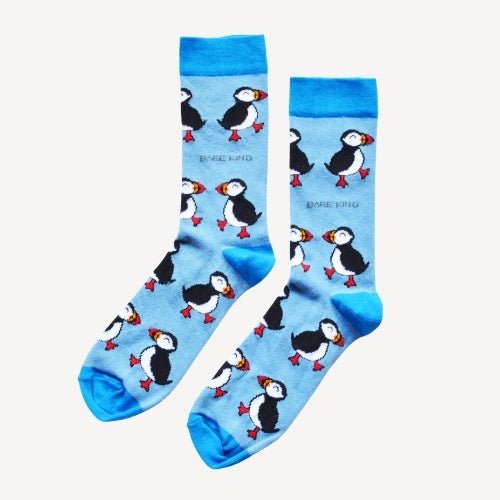
And hey, if you can't wait for wildlife to appear in your wallet, you can always start with your socks (wink). 

Back to blog

Leave a comment

Please note, comments need to be approved before they are published.